
Thermostatic Radiator Valves Explained: How to Save on Heating Bills
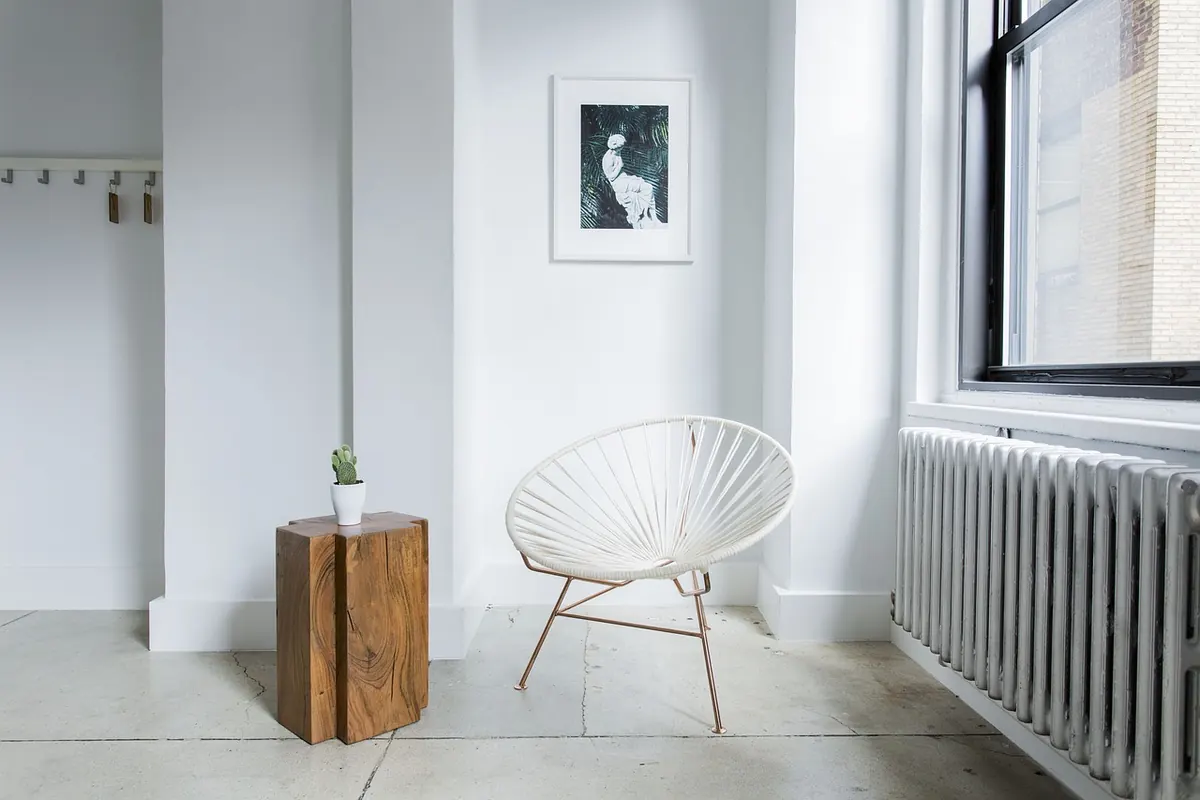
A spare bedroom kept as warm as the living room is heat nobody asked for. It is also heat you have already paid for. Thermostatic radiator valves — the numbered dials on the end of your radiators — are the simplest tool you have for putting warmth where it is wanted and keeping it away from where it is not.
Set them up properly and the house feels no less comfortable. It simply stops paying to heat empty rooms, closed doors and corners nobody sits in.
What a thermostatic radiator valve actually does
A TRV is a valve with a temperature sensor built into the head. Inside that head sits a wax or liquid-filled capsule that expands as the air around it warms and contracts as it cools. That movement pushes a pin into the valve body, restricting the flow of hot water through the radiator.
It is not a tap, and it is not a thermostat for the whole house. It does one job: it watches the air temperature right where it is fitted, lets water through until that spot reaches the setting on the dial, then closes down. As the room cools, the capsule contracts, the valve opens and the radiator warms again.
The numbers are not precise degrees. Manufacturers calibrate them slightly differently, so check the head or the manual if you want exact figures, but the usual rough guide is:
- 0 or a snowflake symbol — frost protection only, around 7°C. Not off, but close.
- 1 — roughly 12°C to 14°C. A cool room, kept just warm enough to hold off damp and frost.
- 2 — roughly 16°C to 18°C. Comfortable for a bedroom or hallway.
- 3 — roughly 20°C to 22°C. The usual setting for a living room.
- 4 — roughly 24°C. Warm, occasionally useful in a bathroom.
- 5 — roughly 28°C. Effectively wide open.
One thing worth saying plainly: turning a TRV to 5 does not heat a room faster. It just stops the valve closing. The radiator is already as hot as the boiler can make it.
How a TRV fits with your room thermostat
Confusion here wastes a lot of heat. The room thermostat on the wall tells the boiler when to fire. TRVs tell individual radiators when to stop. They work at different levels and should never be asked to do each other's job.
The rule that matters most: do not fit a TRV to the radiator in the same room as your main thermostat. If the thermostat is in the hall and the hall radiator has a TRV, that valve can shut the radiator down, the hall then stays cool, the thermostat keeps calling for heat, and the rest of the house overheats. Leave that radiator on a plain lockshield valve instead.
Setting TRVs room by room
Think about how each room is used rather than what the dial happens to say. A starting point that suits most homes:
- Living room, dining room, home office — 3. Rooms where you sit still want around 20°C.
- Bedrooms — 2 during the day, 2 or 3 in the hour before bed. Most people sleep better in a cooler room, and a bedroom kept warm all evening is money spent on nothing.
- Bathroom — 3, or 4 if you feel the cold. Bathrooms are used in short bursts and tiles always feel chilly.
- Kitchen — 2 or 3. Cooking, a fridge and a tumble dryer all add heat of their own.
- Hallway and stairs — 2. Halls are transit spaces, and a warm hall leaks heat straight out of the front door.
- Spare room, box room, utility — 1. Not 0.
Then live with it for a week. If a room feels cold, nudge the head up half a step — most heads move in fractions between the numbers — rather than jumping a whole number. If it feels stuffy, come down. Small adjustments, one room at a time, are how you find the settings that suit your house. Write them down inside the airing cupboard door and the guesswork disappears next autumn.
Rooms with two radiators
Set both heads to the same number, otherwise one will close first and the room will heat unevenly. Remember that each TRV only senses the air around itself, so a radiator tucked behind a sofa is a poor judge of the room it is in.
Rooms you do not use
Shutting a spare room down completely feels thrifty but is rarely wise. An unheated, unventilated room is where condensation and mould begin, and in a hard frost, pipework in an outside wall can be at risk. Set the head to 1 or to the frost symbol and open the door now and then.
Where TRVs go wrong
- A head buried behind a curtain, sofa or radiator cover. The valve reads the temperature inside the cover rather than the room, so the room ends up cold.
- Left on 5 all year. That is the same as having no control at all.
- Used as an on/off tap, wound shut every morning and opened every evening.
- Blamed for a cold radiator. A radiator cold at the top usually needs bleeding. Cold at the bottom often means sludge and a power flush — a job for a heating engineer.
- All radiators closed at once with no bypass. A system needs a route for water to circulate, usually one radiator left without a TRV, often the bathroom, or an automatic bypass valve.
If one radiator is slow to warm while another is scalding, the system probably needs balancing before you blame the valves.
Getting the most out of them
TRVs are inexpensive to fit and quick to replace, and they do their best work alongside a few simple habits.
- Set the room thermostat to a temperature you are genuinely comfortable at — 19°C to 21°C suits most people — and then leave it alone. TRVs do the fine-tuning.
- Change one thing at a time and give it a week before deciding.
- Bleed radiators at the start of the heating season. A radiator full of air cannot give you the heat you are paying for.
- Ask your engineer whether your boiler's flow temperature could safely come down a little, and whether your system is correctly balanced.
- Have the boiler serviced annually by a Gas Safe registered engineer.
If you are unsure whether your system has a bypass, whether it is balanced, or how low your boiler's flow temperature can safely go, that is a question for a qualified heating engineer — far cheaper than guessing. For most households, though, the biggest saving comes from the simplest step: walk round the house tonight and set every TRV to match the room it is in. Then leave them alone.
Photo: StockSnap / Pixabay