
Frozen Pipes in Winter: A UK Homeowner's Prevention Checklist
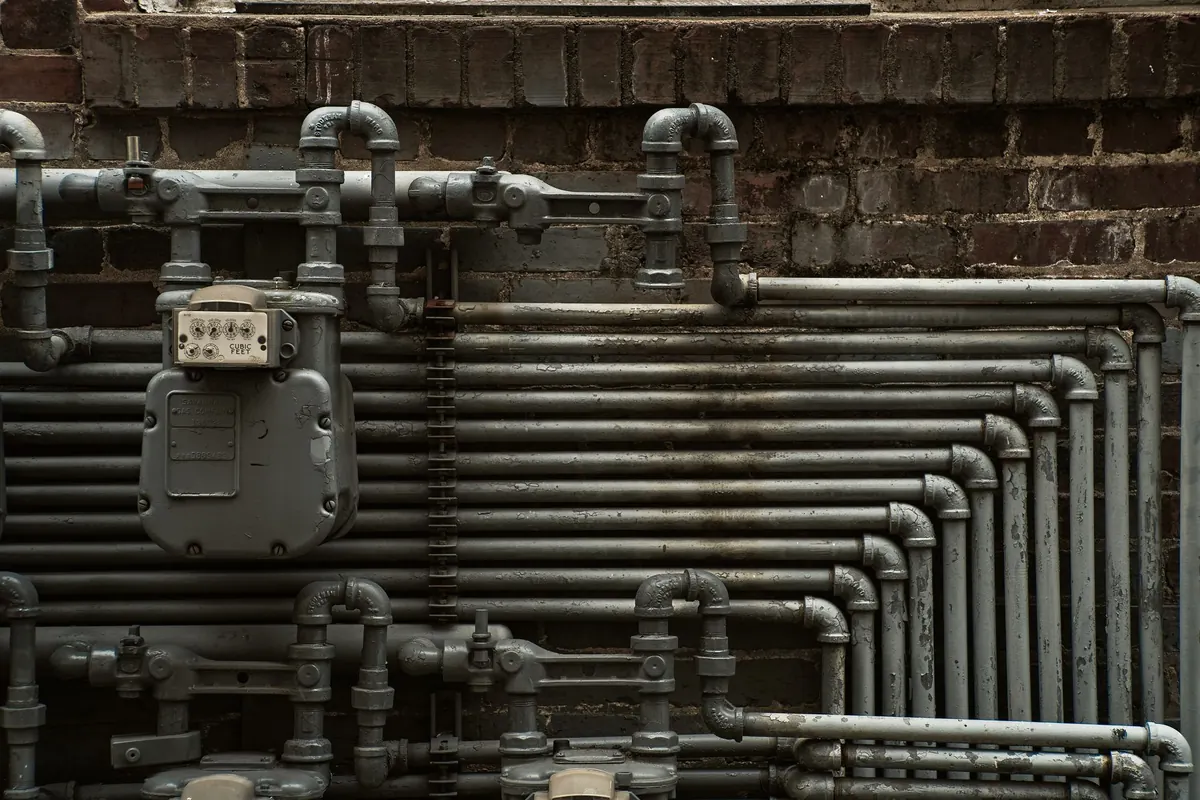
Most winter plumbing emergencies follow the same script. A cold snap arrives, a pipe in the loft or an outside wall freezes, and by the time anyone notices, there's water coming through a ceiling. The damage is rarely caused by the ice itself. It's caused by the water that escapes once the pipe thaws and the split opens up.
Prevention is mostly unglamorous work: lagging, a sensible thermostat setting and a handful of habits on the coldest nights. None of it takes long, and all of it is cheaper than a new ceiling.
Where pipes freeze first
Water freezes at zero, but pipes rarely burst at the first frost. The real risk builds during a sustained cold spell, especially when there's wind hitting an exposed wall. The pipes that go first tend to be in the places nobody spends time in: the loft, the garage, a lean-to, an unheated extension, or the run under a kitchen sink sitting against a north-facing external wall.
Outside taps and the pipe feeding them are obvious candidates. So is the condensate pipe on a modern condensing boiler, which usually runs from the boiler out to a drain. When that freezes, the boiler shuts down and locks out, often on the coldest morning of the year.
It helps to remember why a frozen pipe causes such damage. Ice takes up more space than water, so the pipe splits or a joint gives way. The leak only shows itself when the ice melts and water starts moving again.
Insulate the vulnerable runs
Pipe lagging is inexpensive and easy to fit, but it's only effective when it's done properly. A few points worth getting right:
- Lag every accessible pipe in the loft, garage, outbuilding and any unheated space. Buy lagging that matches the pipe diameter rather than forcing a loose fit.
- Don't leave gaps. Cold air finds joints, elbows, valves and tees. Pre-formed lagging sections are made for corners, and a wrap of tape over the seams helps.
- Concentrate on the first metre or so where a pipe enters the house from outside. That's where the cold gets in, and it's often left bare.
- Lag the cold water tank on the sides and top, but leave the base uncovered. Warmth rising from the rooms below is what keeps the tank from freezing.
- Deal with outside taps. If there's an isolator valve, shut it off and drain the tap down before winter. If not, an insulated tap cover is better than nothing.
- Seal draughts where pipes pass through external walls, and repair broken glazing or missing panes in outbuildings. Don't block ventilation that a boiler, flue or gas appliance needs — if you're unsure, leave it alone and ask.
- Fix dripping taps. A steady drip through a waste pipe or trap can freeze solid and block the run.
Heating settings that actually help
The single most useful thing you can do in cold weather is keep the house above freezing. Switching the heating off completely when you go out or go away is what puts pipes at risk. A background temperature somewhere around 12–15°C is a sensible target, and it costs far less to maintain than it does to repair a burst.
Check your thermostatic radiator valves too. If a spare bedroom or a downstairs cloakroom has a TRV turned down to its frost setting, that room stays cold — and if a vulnerable pipe runs through it, that's a problem. Leave those valves open so heat can circulate.
If your boiler sits in a garage, outbuilding or cold porch, a frost stat can be worth discussing with your heating engineer. It fires the boiler when the temperature around it drops, protecting the appliance itself. Bear in mind that built-in boiler frost protection only looks after the boiler, not the pipework around it.
When you go away in winter, don't just turn everything off. Either leave the heating running on a low background setting, or have the system drained down if the property will be empty for a long stretch. Ask a neighbour or relative to check the house, and read your home insurance policy — many policies set out conditions for unoccupied properties, so it's worth knowing what yours expects.
Small habits on cold nights
A few minutes of effort during a severe cold snap can make the difference between a quiet night and a plumber's emergency call.
Let warm air reach hidden pipes
Open the cupboard doors under the kitchen sink and the bathroom basin before bed so room air can circulate around the pipework. If you have a loft hatch, leaving it slightly ajar during a very cold spell lets warm air drift up to the tank and pipes, though it will also warm the loft, so don't leave it open for days on end.
Consider a slow trickle
On the coldest nights, letting the most exposed tap run at a slow trickle keeps water moving and makes a freeze less likely. It wastes water, it costs money if you're on a meter and it isn't a substitute for lagging — but during a genuinely severe spell, it's a reasonable temporary measure.
Know your stopcock
Find it before you need it, check it turns, and make sure everyone in the house knows where it is. In an emergency you have minutes, not hours.
If a pipe freezes
- Turn off the water at the stopcock, and switch off the boiler or immersion heater if a feed pipe or the heating system is involved.
- Open the nearest cold tap to the frozen section so that melted water and pressure have somewhere to go.
- Locate the freeze. Look for a frosted or slightly bulging section, usually in a cold spot near an external wall, in the loft or under a floor.
- Thaw it gently, starting at the tap end and working back towards the tank or mains. A hot water bottle, towels wrung out in warm water or a hairdryer on a low setting all work. Never use a blowtorch or naked flame, and don't pour boiling water straight onto the pipe.
- Watch for splits. Once water is moving again, check the whole run and the joints for leaks. A pipe that has frozen may already be damaged.
- For a condensate pipe, pour warm — not boiling — water along the external run, or hold a hot water bottle against it. If the boiler still won't reset, call a heating engineer.
If you can't find the frozen section, or it's behind a wall, under a solid floor or inside a boxing, stop and call a plumber. Guessing with heat and a hammer causes more damage than the ice did.
If a pipe bursts
Turn off the stopcock immediately and open all the cold taps to drain the system. Switch off the boiler, immersion heater and central heating. Soak up what you can and move furniture and electrical items clear of the water. If water is anywhere near sockets, light fittings or the consumer unit, don't touch them — keep clear and call an electrician. Then call a plumber and your insurer, and photograph the damage before anything is moved. If anyone in the household is vulnerable, or the leak is near electrics, treat it as urgent and get professional help straight away.
When to call in a professional
Lagging, thermostat settings and thawing an accessible pipe are all jobs a careful homeowner can manage. Anything involving the inside of a boiler casing, the gas supply, or a frozen pipe you can't reach is not. Work on gas appliances must be carried out by a Gas Safe registered engineer, including diagnosing a boiler that keeps locking out. For water supply issues — a stopcock that won't turn, low pressure, or repeated freezing in the same spot — a plumber can often reroute or better protect the run so you're not repeating the same battle next January.
Spend an afternoon on the loft and the outside taps this autumn. It's the least interesting plumbing job of the year, and the one most likely to save you a fortune.
Photo: Jeremiah Buchanan / Pexels