
How to Unblock a Kitchen Sink: 7 Methods That Actually Work
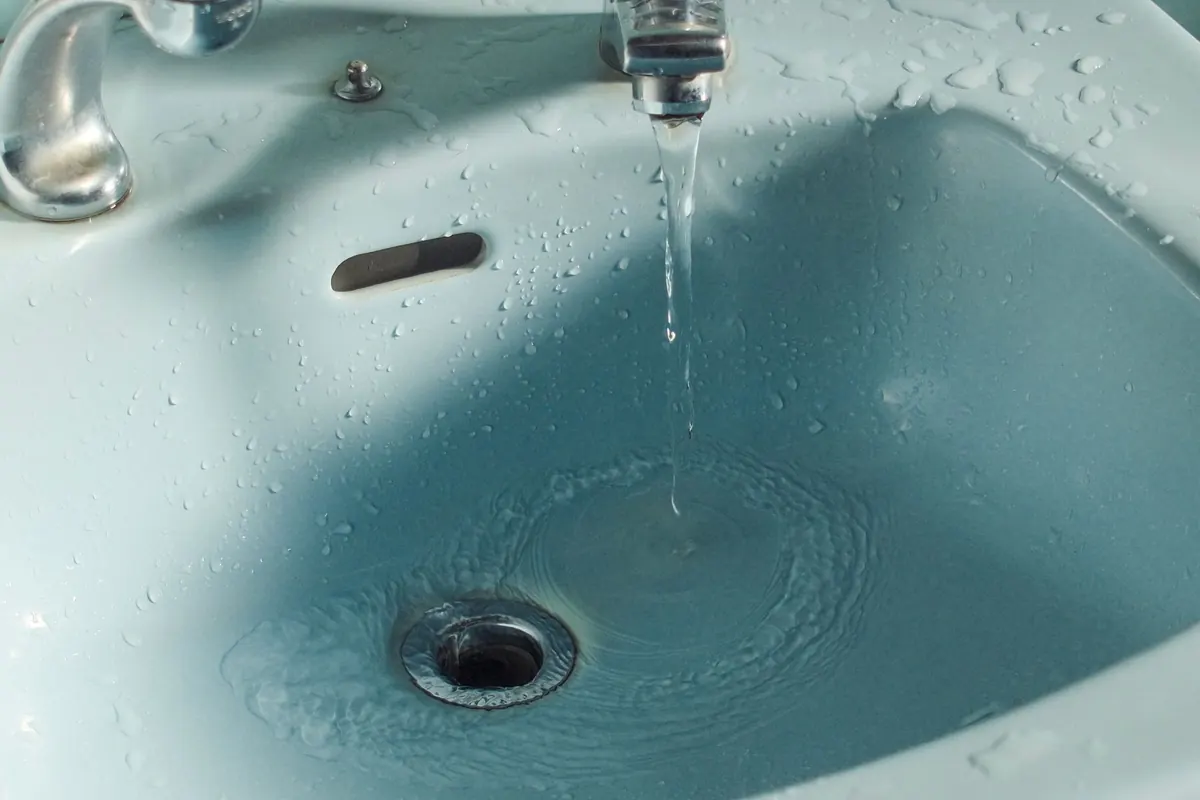
A blocked kitchen sink rarely announces itself politely. One minute you are rinsing a plate, the next you are watching grey water creep up around the plug. The usual culprits are fat, oil and grease that cool and set inside the pipe, plus food scraps, coffee grounds and soap scum that catch on the rough edges. Before you reach for a strong chemical cleaner, work through the methods below. Start with the gentlest option and stop if water begins backing up in another sink or appliance.
1. Flush with hot water and washing-up liquid
If the sink is draining slowly rather than completely blocked, this is often enough. Bail out standing water first so you are not just adding to the problem. Pour a good squirt of washing-up liquid down the drain, then add hot water from the kettle in stages. Leave it for ten minutes, then flush with hot water from the tap.
The soap helps break down grease, and the heat softens it. Be careful with boiling water if your waste pipes are plastic: very hot water can soften joints and seals over time. Hot but not furiously boiling is usually the safer choice. Repeat once or twice. If the water still sits there, move on.
2. Use a cup plunger correctly
A cup plunger is the tool for a kitchen sink, not a toilet flange plunger. Remove the strainer or plug first. Make sure there is enough water in the bowl to cover the rubber cup, because the plunger needs water to create suction. If you have a double bowl, seal the other drain with its plug or a wet cloth. Block the overflow opening with a wet cloth too, otherwise you will just push air around the sink.
Place the cup over the drain and push down firmly, then pull up without breaking the seal. Work in a steady rhythm for fifteen to twenty seconds rather than frantic stabbing. Release, check whether the water drains, and repeat if needed. Once it clears, run hot water for a minute to carry the loosened debris away.
3. Try bicarbonate of soda and vinegar
This is a mild option for smells and light build-up. Put half a cup of bicarbonate of soda down the drain, followed by half a cup of white vinegar. It will fizz and foam. Leave it for ten to fifteen minutes, then flush with hot water. It can loosen a thin film of grease and neutralise odours, but it will not shift a solid plug of fat or food.
Do not use this after a chemical drain cleaner. The two can react and produce dangerous fumes or heat. If you have already poured caustic soda down the sink, leave it alone and call a plumber if it has not worked.
4. Clean the strainer, overflow and waste trap
Many kitchen sink blockages sit in the waste trap, the U-shaped section of pipe under the sink. It is designed to hold water and catch debris, which is exactly why it blocks. Put a bucket and old towels underneath before you start. Wear gloves.
- Remove the plug, strainer basket and any visible food scraps. Place a bucket under the waste trap, with old towels on the cabinet floor.
- Unscrew the slip nuts on both sides of the trap. Turn them slowly by hand if possible; if they are tight, use a pair of slip-joint pliers carefully, protecting the plastic with a cloth.
- Lower the trap away from the pipes and tip the contents into the bucket. Expect dirty water, so keep the bucket directly underneath.
- Clean the inside of the trap with a bottle brush, an old toothbrush or a rag. Pay attention to the low bend where grease and food collect.
- Check the pipe stubs entering the wall and the drain tailpiece above the trap. Use a torch to look for sludge, and wipe or hook out what you can.
- Reassemble the trap, hand-tighten the slip nuts, then run hot water for a minute. Check for drips and tighten a quarter turn more if needed.
While the trap is off, clean the strainer and the overflow channel if your sink has one. The overflow can hide a surprising amount of black sludge, and it can make the sink smell even when the main drain is clear.
5. Use a drain snake or sink auger
A drain snake, also called a sink auger, is a flexible cable that reaches past the trap and breaks up or pulls back debris. You can buy a small hand-crank model for a few pounds, and it is worth keeping one under the sink.
Remove the strainer and feed the cable into the drain. When you feel resistance, tighten the locking screw and turn the crank clockwise. This helps the head catch the blockage. Do not force it; if the cable will not pass, the trap may need to come off first. Pull the cable back slowly and wipe the mess into a bin. Flush with hot water.
- Work over a bucket and keep gloves on.
- Never push a snake through a chemical-filled drain without flushing first.
- If the snake comes back clean but water still stands, the blockage is further downstream.
6. Try the wet/dry vacuum method
If you have a wet/dry vacuum, it can suck a soft blockage out of the drain opening. This works best when the blockage is near the top of the pipe, not deep in the wall.
- Remove the strainer and any standing water.
- Set the vacuum to wet mode and fit the widest nozzle you have.
- Press the nozzle tightly over the drain to make a seal. Wrap a damp cloth around it if the fit is loose.
- Turn the vacuum on for a few seconds, then switch off and check.
- Repeat two or three times, then flush with hot water.
Never use a household dry vacuum for this. Water will ruin the motor and could create an electrical hazard. Also, do not use a wet/dry vacuum after pouring chemical cleaner down the drain, because the vacuum may splash caustic liquid.
7. Use a chemical drain cleaner as a last resort
Chemical drain cleaners should be your last DIY option, not your first. They can clear grease and organic matter, but they are harsh on pipes, dangerous to skin and eyes, and can damage older metal or plastic joints if overused. They also create fumes that are especially risky in a small kitchen.
If you decide to use one, choose a product designed for kitchen sinks and follow the label exactly. Never use more than the recommended amount, never mix products, and never use a plunger or snake after pouring a chemical cleaner down the drain. If the sink is still blocked after one treatment, do not add a second product. Call a plumber and tell them what you used.
- Open windows and turn on the extractor fan.
- Wear rubber gloves and eye protection.
- Keep children and pets out of the room.
- Never use chemical cleaner in a sink that has already been treated with another chemical.
When to call a plumber
Some blockages are beyond DIY tools. Call a professional if water backs up in more than one sink, if the washing machine or dishwasher drains into the same pipe and also backs up, or if you smell sewage. These signs point to a blockage in the main drain rather than the kitchen waste trap.
If more than one fixture is draining slowly or backing up, the problem is usually further down the line. A plunger at the kitchen sink will not fix it.
You should also call a plumber if:
- You have used a chemical cleaner and the sink is still blocked.
- The waste trap is corroded, cracked, or will not seal after reassembly.
- Water is leaking from pipes under the sink, or the cabinet floor is damp.
- You have a septic tank and the blockage keeps returning.
A plumber may use a drain camera, a high-pressure jetter or a longer auger to clear the line. This is often faster and safer than buying more tools you will only use once.
How to keep your kitchen sink flowing
Prevention is less dramatic than a rescue, but it saves time and money. Most kitchen sink blockages are caused by fat, oil and grease that cool in the pipe, so the single best habit is to keep them out of the drain.
- Pour cooled fat into a jar or tin and put it in the bin. Do not pour it down the sink, even with hot water.
- Wipe greasy pans and plates with kitchen paper before washing them.
- Use a sink strainer and empty it into the bin after every meal.
- Run hot water for ten to fifteen seconds after washing up, so anything left in the pipe keeps moving.
- Once a month, flush with hot water and a squirt of washing-up liquid, or use an enzyme drain cleaner for maintenance.
- Never flush coffee grounds, eggshells, rice, pasta, flour or fibrous vegetable peelings down the sink. They swell or cling and form the core of many blockages.
If your sink drains slowly, treat it as an early warning. A slow drain is much easier to clear than a full blockage, and a few minutes of hot water and washing-up liquid now can save you an hour with a bucket under the cabinet later.
Photo: actually_jet / Pexels