
When to Repair vs Replace Your Boiler: Key Signs and Cost Guide
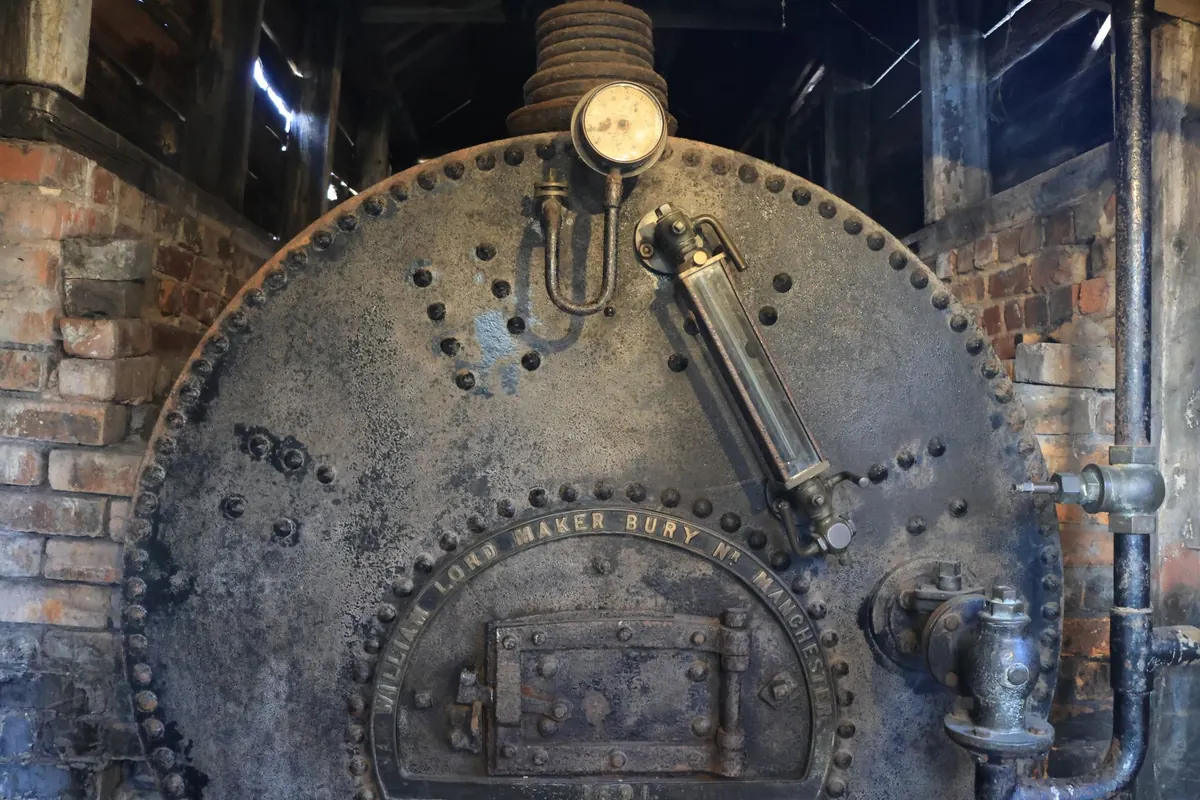
A boiler that keeps cutting out or losing pressure is never convenient. But the choice in front of you — pay for another repair, or put that money towards a new boiler — is rarely as straightforward as the first quote suggests. The right answer depends on the boiler's age, how often it has let you down, what it costs to run, and how long you plan to stay put.
Here's how to work through the decision without guesswork.
Start with the age of the boiler
The average gas boiler is expected to last somewhere between 10 and 15 years with an annual service. That's a guide rather than a deadline: a neglected boiler in a hard-water area may struggle sooner, while a lightly used one can keep going longer.
A rough framework:
- Under 8 years old: repair almost always wins, unless the fault is catastrophic, such as a cracked heat exchanger.
- 8 to 12 years: a judgement call. Weigh the size of the repair against the boiler's overall condition and whether parts are still easy to get.
- Over 15 years: replacement usually makes more sense. Parts become scarce, efficiency drops, and each repair buys less time than the last.
Older designs deserve extra caution. Back boilers and open-flued models are typically well past their expected life, and replacing one usually means fitting a modern combi or system boiler with new controls — a bigger job, but one that settles the matter for a decade.
Look at how often you're calling an engineer
One breakdown in five years is bad luck. Three call-outs in two years is a pattern. Frequent repairs point to a boiler wearing out in several places at once, and each visit tends to cost more than the last.
The "last big repair" test
If you have already paid for a significant repair in the past year and the boiler has failed again, that is a strong signal. You are no longer maintaining the appliance; you are funding its decline.
Weigh up efficiency and running costs
Older boilers convert less of the gas they burn into usable heat. A modern condensing model captures heat that would otherwise disappear up the flue, which is why it can trim a noticeable amount from your annual gas bill. New boilers have carried an energy label since 2015, so models can be compared on efficiency and noise directly.
Replacing the boiler is not the only way to cut running costs, though. Check the controls first: a programmer, room thermostat and thermostatic radiator valves can all make a real difference for far less money. If you already have those and the bills are still climbing, efficiency becomes a stronger argument for replacement.
Think about hot water too. A combi that can no longer run two showers at once may simply be undersized for your household, and no repair will change that.
Compare the costs properly
The common mistake is comparing one repair bill with the full price of a new boiler. A new boiler should last a decade or more, so compare the two options across five to seven years instead.
What to include on both sides
- The cost of the repair, plus the chance of a second failure within the year.
- The realistic remaining life of the existing boiler.
- Any difference in running costs between old and new.
- Parts availability, and whether the manufacturer still supports the model.
- The warranty on a new boiler, which typically covers parts and labour for several years.
- Extra work a replacement might need — a new flue route, a system flush, or upgraded controls.
Then work through it in order:
- Get a proper diagnosis, not a guess. Ask the engineer to name the faulty part and confirm it is still available.
- Ask what else is likely to fail on a boiler of this age.
- Get written quotes for both the repair and a replacement.
- Compare the five-year totals rather than the headline prices.
- Check whether any grants apply to your chosen option before you commit.
Costs vary widely by region, boiler type and the complexity of the installation. Treat any figure given over the phone as a rough estimate until an engineer has actually seen the system.
Signs that point towards replacement
- The boiler is over 15 years old and has needed more than one repair.
- Parts can no longer be sourced, or the manufacturer has stopped supporting the model.
- The flame burns yellow or lazy rather than crisp blue — turn the boiler off and call a Gas Safe registered engineer.
- Pressure keeps dropping, or you can see water or corrosion around the casing.
- Banging or kettling noises return shortly after a flush.
- Radiators heat unevenly, or hot water runs out faster than it used to.
- Bills are rising even though your usage has not changed.
When repairing is the better call
- The boiler is under ten years old and the fault is a single, common component.
- The work is covered by a warranty or a service plan.
- The quote is modest next to the cost of replacement, and the boiler has otherwise been reliable.
- A failed part has been replaced and the system is running well again.
A practical way to decide
Write down four things: the age of the boiler, the number of repairs in the last three years, the size of the current quote, and your gas usage compared with two years ago. If three of those four look poor, replacement is likely the better long-term spend. If only the repair quote looks poor, fix it and revisit the question next year.
Whatever you choose, use a Gas Safe registered engineer for any work on the boiler or the gas supply — it is a legal requirement in the UK, and you can check the register yourself. Fit a carbon monoxide alarm nearby if you do not already have one. If you ever smell gas, avoid switches and flames, open the windows, leave the property and call the National Gas Emergency Service on 0800 111 999.
Don't let anyone rush you into a decision on the doorstep. A repair that buys two more years is a perfectly good outcome, and so is a new boiler with a long warranty that cuts your bills. Get the facts, get more than one quote, and judge the options over the next five years rather than the next five weeks.
Photo: Jan Wright / Pexels